Neurodiversity in the Sector: Autism Equine Understanding Program Emphasizes
The sector looks easy in the beginning glance, a sand footing, a few tinted cones, a mounting block parked near the rail. After that you notice the rhythm of the place. A bay mare flicks an ear toward a child humming gently. A volunteer walks together with, one hand floating by the child's calf bone. The trainer calls out, not loud, not immediate, just constant. This is what a well run autism equine learning program seems like, attuned and calm, made to give the nervous system area to breathe.
I have spent years in fields such as this, in both therapeutic horsemanship and equine-assisted solutions that lean even more toward discovering than standard treatment. One of the most vital lesson horses taught me is straightforward, behavior tells you what the body requires. When a student on the spectrum tenses their shoulders, an equine will certainly usually reduce or quit. When a cyclist exhales, the horse softens. This straightforward psychophysiological feedback is why experiential discovering with equines is so effective for numerous neurodivergent individuals, including those with autism and ADHD.
Why horses aid when words fall short
Horses sort information promptly. They check out weight shifts, look direction, breath cadence, and muscular tissue tone. They do not parse mockery, they do not evaluate fidgeting, and they certainly do not care if a student keeps eye get in touch with. They respond to what is present in the body, which turns every communication into a clear loophole of cause and effect. For a pupil who finds talked directions unsafe or overloading, that loop can be life changing.
The sensory world in a barn is intricate, natural leather, hay, sunlight on dirt, the smothered thud of hooves, the puff of a horse's breath on a wrist. For some, this is excessive at first. For others, it is the very first setup where they can arrange their detects without dealing with fluorescent lights and echoing hallways. An autism equine finding out program that appreciates sensory preferences builds in quiet areas, foreseeable routines, and great deals of option. The goal is not to toughen anyone up, the objective is to promote risk-free curiosity.
There is additionally a practical angle. A horse considers half a load, and collaborations with such an animal demand clarity. Many pupils like that honesty. When you stretch a rein a bit too quick, your steed increases a head. So you soften, you pause, you attempt again. You feel the difference under your hands. That instant somatic feedback, partnered with constant direction, sustains policy skills that hardly ever stick when instructed as abstract concepts.
From therapeutic horsemanship to equine-facilitated coaching
Programs make use of various terms, and they matter. Healing horsemanship normally centers on placed or unmounted lessons led by certified trainers. The key end results are skill based, riding pose, equine care, brushing, groundwork, mounting and getting down. These sessions boost balance, coordination, and self-confidence while nurturing social communication in a reduced stress way.
Equine-assisted activities include a wider variety, usually consisting of unmounted video games, challenge courses, leading workouts, and barn management tasks. They target daily living skills, sequencing, preparation, synergy, and communication. They can be especially practical for ADHD equine learning support, since they let a student move, technique timing, and obtain kinesthetic responses without the included complexity of riding.
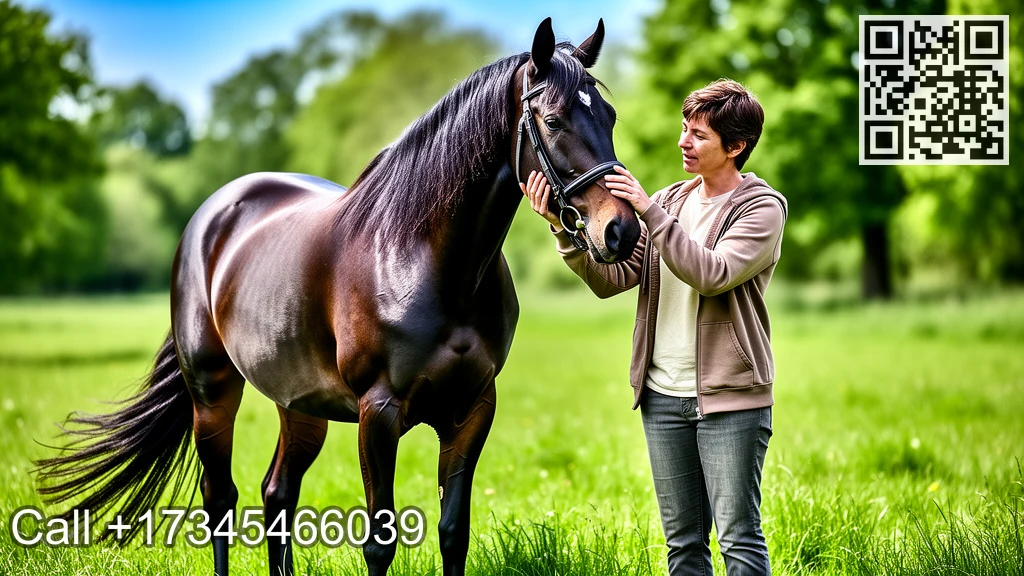
Equine-assisted training, sometimes called equine-facilitated training, sits closer to individual growth. The focus is on objectives like flexible reasoning, self advocacy, and resilience. These sessions are usually unmounted, structured as short experiments. Can you ask a steed to walk through a lane of poles with you making use of just your body movement, then a rope, after that your voice, and discover what functioned each time. This kind of job drops under equine-facilitated wellness when there is a more powerful emphasis on emotional law and somatic understanding. You will certainly listen to instructors discuss somatic healing with equines, which, in ordinary terms, suggests utilizing felt experiences in the body to guide secure changes in state. The steed imitates a mirror, not a specialist, and the facilitator keeps things based in permission and choice.
I typically weave styles. A pupil might begin with therapeutic horsemanship, develop balance and depend on, after that spend a couple of weeks in an equine-assisted coaching cycle to work with aggravation resistance. For teenagers and adults, team building with equines can be powerful. Tiny groups method leading an equine via a pattern without touching it, or they discuss roles for a mock barn job. The group debriefs what they noticed, that paced, who waited, who tracked the steed's ears. Everybody reaches lead one little piece and receive comments that specifies and kind.
How sensory needs fulfill safety and security in the barn
An arena can be upgraded easily to sustain sensory choices. I keep a sensory map of each pupil. If a biker is audio delicate, we set up away from farrier days and prevent windy hours when sector tarps flap. If a pupil looks for deep pressure, a weighted towel over the lap while mounted can aid. For vestibular applicants, we add mild switches and include halts adhered to by slow, predictable changes to stroll. Some cyclists benefit from a quiet hack on a lead around the property, others need a small fenced location to really feel contained.
Safety is the first layer of law. We match equines very carefully, based on stride, responsiveness to light cues, and surprise threshold. A steed with a long, rolling stroll can be calming for some, as well boosting for others. I track data, variety of spontaneous halts, head tosses, transitions that needed additional support, student ask for breaks. Over 6 to eight sessions, patterns emerge. Usually, the very best match comes to be noticeable by week three.
Students choose their level of call. Some start by observing from outside the rail. Lots of beginning with grooming, the sound of the brush on a horse's barrel is basing. The first touch might be one finger on a shoulder with a volunteer in between. The trainer narrates pressure, direction, and the steed's feedback so the pupil can link activity and effect. Mounting is never called for, and we regularly stop placed job to practice leading and consent signs on the ground.
I will not place check a pupil's hands if their fingers are trembling from overwhelm. We could start with a grab strap or a hand on the saddle pad. If a trainee needs to stim, we construct that into the trip. A hum comes to be a hint the steed finds out to relate to slowing, which subsequently empowers the trainee to self control without being told to stop. That feeling of company is extra therapeutic than a best twenty meter circle.
A day in the program, 3 trainees, three paths
An early morning session, 3 pupils in turn, each with different goals.
First is Leo, age 9, who utilizes an interaction tool. He enjoys patterns and despises surprises. We start in the tack room where the halter holds on a hook with his name card. He taps the card, after that the halter, after that the image of Sunny, his horse. He blazes a trail to the delay, shoulders square. We stand outside the door and technique permission, Leo shows his open palm at shoulder elevation, Sunny advances, Leo beams. Grooming is clockwork, 3 strokes on the neck, swap brushes, 3 strokes on the shoulder. On the placing block, we stop briefly for a breath matter. Installed, we ride the rectangle, lengthy sides at stroll, short sides halt and matter to four. At the end, Leo positions the saddle pad in the bin and gives Warm 3 apple pieces. Consistency is not boring for him, it is safety and security, and with security comes development. Over 5 months, his change time from auto to field dropped from fifteen mins to five, and he began starting turns by looking where he intended to go.
Next is Mara, age 14, bright and ironical, with ADHD and a history of stress and anxiety spikes in congested class. She fasts to volunteer and similarly quick to shut down if remedied in a sharp tone. We maintain her sessions physical and differed, an unmounted heat up that includes a figure eight with cones, then placed work with rhythm poles. I cue with concerns, what rate maintains the posts also, what takes place to Sunny's stride if you lean onward. She enjoys experiments, so we examine 2 breaths, then 3, to see which silences her hands much more. When her breast tightens up, we dismount, loophole the reins on the arm, and walk a lap while naming things we see. She intended to canter by week 2, we made a deal, show me five transitions that feel like butter, after that we add one stride of canter. She made it on week six. She grinned for an hour.
Finally we have Rob, age 23, extremely verbal, recently worked with at a warehouse, overwhelmed by group communication. He is with us for equine-assisted training in a little group. The exercise is easy, the team relocates a horse via an L designed passage of posts without touching the horse or talking with each various other. Rob stands at the front, shoulders hunched, attempting to invite activity with his hands. The equine looks previous him. An additional individual moves to the side and opens up room with a step back. The equine changes, Rob notifications, drops his chin to soften, then breathes out. The horse walks, quits at the corner, waits. Later Rob states, I attempt to describe with more words when I am worried, which makes the team tighter. If I simply reposition and wait, often they feature me. A week later on his supervisor reports less mid change flare and better hand offs in between stations.
Skill transfer, what really carries over
People typically ask if riding educates emphasis or if foundation instructs management. I constantly ask which emphasis and what sort of leadership. Theoretically, we track balance, core engagement, reins administration, sequencing of help, and a dozen various other riding metrics. We also track self campaigning for, break demands, capability to go back to job after a time out, tolerance for transforming one tiny component of a regular, and readiness to attempt a new pattern with a clear leave plan.
The most trusted skill transfers appear like this:
-
Requests for help come to be more clear and earlier. Lots of trainees change from closure or rise to a brief phrase or gesture. The horse, the volunteer, and the teacher all honor the demand quick, which reinforces that asking works.
-
Body understanding enhances in refined ways. Trainees notice a clenched jaw, a limited calf, a held breath, and they evaluate a launch that the steed can really feel. Later on, the same students report making use of breath rely on the bus or loosening a shoulder in class.
-
Frustration resistance increases by a notch. When a steed does stagnate onward, the pupil attempts a various sign instead of repeating the exact same one louder. That flexible thinking is portable to math research and line administration at the grocery store store.
These adjustments are tiny, stable, and specific. They come from constant method, clear comments, and a society that celebrates mini victories. I do not assure sweeping individuality changes, and I remedy anyone that expects a horse to heal anything. We are developing skills, not transforming identities.
Anxiety support with horses, without requiring calm
Anxiety support with steeds starts with calling pressure truthfully. We decrease unknowns and provide selections that matter. If a student is spiraling, we do not demand pushing via to verify durability. The better strategy is to broaden the home window of tolerance safely. That could look like walking next to a relocating equine on a lead while maintaining one hand on the fence. It might be resting on an installing block five strides from the equine, matching breath for 2 minutes, then shutting the void. We commonly anchor brand-new experiences with basing touch, a hand on a pommel, fingers feeling the saddle stitching, feet pushing into stirrups against the round of the foot. This is somatic healing with horses in method, not mystical, just functional, body first.
The horse benefits also. Clear, sluggish patterns work out most equines. We enjoy their eyes, their breath, and their chewing. A soft eye tells us when we remain in the wonderful spot. If a steed elevates a head and tightens up a back, we reduce, or we switch horses. Compassion to the steed is not an add, it is the heart of the job. It teaches everybody in the field that authorization runs both ways.
The structure behind the scenes
Good programs look uncomplicated externally, they are not. We staff conservatively, one instructor, one steed trainer, and a couple of side pedestrians as needed. That can suggest 3 to four humans for one motorcyclist at the beginning. Volunteers get actual training, not just a briefing, consisting of exactly how to spot a developing disaster in both steed and human, how to speed a discussion at the stroll, and just how to offer a break without making it a large deal.
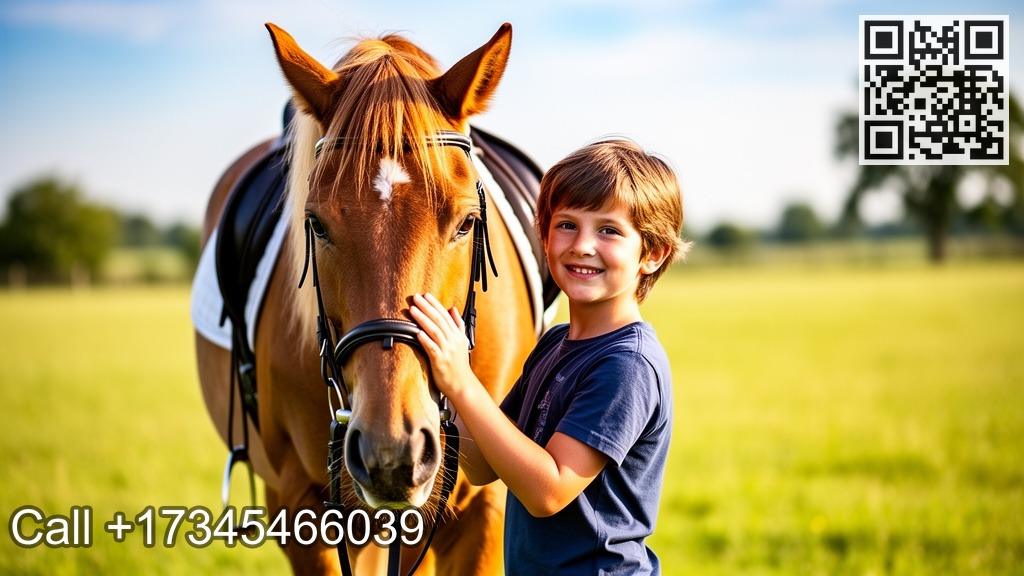
Lesson plans have arcs, a clear beginning, center, and end. We open with a foreseeable routine, maybe a saddle pad color choice or a testimonial of the visual schedule. The center holds one brand-new aspect sandwiched in between 2 well-known patterns. The end constantly shuts the loophole, horse care, many thanks, a sticker on a graph, a check mark on a gadget, whatever the pupil prefers. The horse likewise obtains a close, a scrape on a preferred area, a hand grazing minute, a return to herd mates without delay.
We coordinate with physical therapists, speech specialists, and instructors when family members request it. Not every barn does this, and not every household desires it. When we line up goals, we can exercise the exact same speech tool prompts throughout brushing that a trainee uses in class throughout circle time, or we can rehearse a college hallway transition by strolling from the tack space to the sector with a pile of tiny tasks in the same order.
What progress resembles over a season
Expect an increase duration. The first 3 sessions are for getting to know the place, the steeds, and the rhythm. I am material if we obtain 1 or 2 top quality moments in those early weeks, a breath that lands, a smile after a halt, a peaceful hand on a neck. By week four, patterns settle. By week 6 to eight, the actual discovering shows. A trainee that needed two side pedestrians might currently have one and a spotter. A child who could not tolerate the headgear for more than a min might now maintain it on for the entire ride. A teenager who wanted only to trot may have the ability to slow down for accuracy job and name the distinction it makes.
Hard days do not suggest regression. Weather shifts, development spurts, life events, and cravings can all totter a session. We note those variables truthfully. If a trainee returns from a break and requires to relearn pieces, we deal with that as info, not failure.
Over a period, the numbers matter only in context. I track them to recognize the pupil's tale, not to require it right into a chart. If a family is attempting to reduce meltdowns at supermarket from everyday to once a week, we may see identical adjustments in the sector, faster recuperation after a startle, a shorter pause between signs, even more determination to try a brand-new job when used a secure leave. We celebrate connect-the-dots progression, the kind that plainly maps to day-to-day life.
When equine-assisted tasks are not the right fit
Horses are except everyone. Some pupils have sensory profiles that make the barn constantly aversive, strong hostilities to scent, dust, or hair. Others have medical demands that complicate placed work, consisting of severe scoliosis without appropriate flexible tack, unchecked seizures, or joint instability, and need to remain unmounted if they participate in all. Severe phobias are not a reason to force direct exposure in this setting. Approval rules in every instructions, for the pupil, for the equine, for the family.
I likewise draw a line if a family members seeks a miracle or if the program does not have the steeds or team to maintain points risk-free. A spooky steed plus an overfull schedule is not a recipe for success. Reputable programs maintain waiting checklists as opposed to overbook. They will happily refer you to a coworker if that is the honest choice.
Working with institutions and workplaces
Some facilities run satellite programs for classrooms or employment teams. On website gos to, we bring 1 or 2 quiet steeds and set up basic foundation. The objectives are useful, practice timing, take turns, fix a short sequencing task, notice a physiological shift and name it. I such as to end with a debrief that links the workout to a hallway in between courses or an assembly line. The transfer is clearest when we maintain language concrete, fewer allegories, more direct sets like, when you entered his space fast, he quit, when you stopped briefly and opened your shoulder, he came.
For work environments, especially where neurodiverse workers offer in logistics or technology duties, group structure with equines functions best in small teams. We develop jobs that expose interaction patterns gently. People observe their default under pressure without sensation called out. The horse is the neutral 3rd party. What changes groups most is the shared experience of getting used to the steed with each other and the giggling that follows the first unpleasant attempts.
A brief overview for very first day success
Families commonly ask just how to establish a strong initial session. The upfront work pays off swiftly. Attempt this straightforward checklist.
-
Visit the barn as soon as prior to your session to meet the staff and steed from outside the fence. Take 2 or three pictures to review later.
-
Pack sensory sustains that already job, ear defenders, a preferred hat, fidget, or heavy scarf, and verify that the barn invites them.
-
Build a visual schedule with three or 4 actions and a clear coating, get here, satisfy equine, brush, snack.
-
Eat a protein treat thirty minutes prior to the session and bring water. Blood sugar level dips can impersonate as anxiety.
-
Tell the instructor one thing that calms your kid and one point that rises them. Concrete instances help.
How to pick a quality autism equine learning program
Not all programs are created equal. These markers have a tendency to predict an excellent experience.
-
Horses with soft eyes and constant gaits, and a clear plan for turning work to stop burnout.
-
Instructors that can discuss why they are doing something, not just what they are doing, and that invite questions.
-
A structure that supplies unmounted options, adaptable objectives, and clear safety and security methods, including consent routines.
-
Partnerships with wellness and education professionals, and a readiness to coordinate or refer when appropriate.
-
Transparent rates and scheduling, with time barriers in between sessions to stay clear of hurried transitions.
Cost, access, and creative solutions
Access can be challenging. Session charges differ widely by region, generally in the 60 to 150 buck array for exclusive lessons, much less for team sessions. Some programs certify as equine-assisted solutions under specific funding streams, which may permit insurance policy reimbursement in limited cases, especially when led by accredited therapists. Lots of family members depend on scholarships, community gives, or health and wellness savings accounts. If cost is a barrier, ask about volunteering for a credit history, off peak prices, or shorter sessions. I prefer to run a 30 minute high quality session than stretch to 45 mins that outmatches a student's regulation.
Equipment can be basic. Safety helmets are required for placed job. The center must give them, but numerous pupils like their very own after suitable. Flexible tack, like surcingles with manages or sheepskin pads for sensory convenience, can make a big distinction. Shoes matters greater than anything else on the motorcyclist's body. Closed toe shoes with a small heel, not fashion boots with slick soles. Lengthy pants minimize pinches.
Evidence, honesty, and what we still need to learn
Families deserve straightforward communication regarding outcomes. The research base for equine-assisted activities is growing, however it is still uneven. Researches come along in balance, postural control, and certain behavioral measures for several participants on the range. Gains in social interaction typically surface area in qualitative records from households and instructors rather than standardized tests. Mechanisms are possible, balanced movement supplies deep vestibular input, the steed uses consistent psychophysiological feedback, the setting reduces social sound. That claimed, study styles differ, example dimensions are modest, and not every individual improves every measure.
I checked out the data with a functional lens. If a program records individualized goals, tracks progression over months, and the pupil's group sees helpful carryover at institution or home, that is https://www.hhooves.com/brain-body-lessons meaningful. We can commemorate that without overstating it. Extra strenuous, longer term research studies would certainly help the field target what works for whom.
The quiet magic that is not magic at all
At completion of a lengthy day in the arena, I often stand at eviction and view the herd stray to the much field. The light slants, somebody laughs in the tack space, a steed grunts. I consider the little triumphes, Leo's constant hand on Sunny's shoulder, Mara's initial one stride canter, Rob finding leadership in a time out rather than a press. None of that required us to alter that they are. It asked us to notice, to match, to invite, and to provide a partner who levels in every breath.
That is the heart of equine-assisted tasks and equine-facilitated mentoring for neurodiverse people. It is not a cure, it is a craft. With time, attunement, and a steed who maintains the discussion straightforward, trainees can construct abilities that matter, self advocacy, law, sychronisation, adaptable thinking. When households ask me why this works, I generally smile and claim, we practice being a bit more ourselves, with a very big, very patient teacher.
Happy Hooves Wellness
9177 Gross Rd, Dexter, MI 48130
+17345466039
https://www.hhooves.com/